
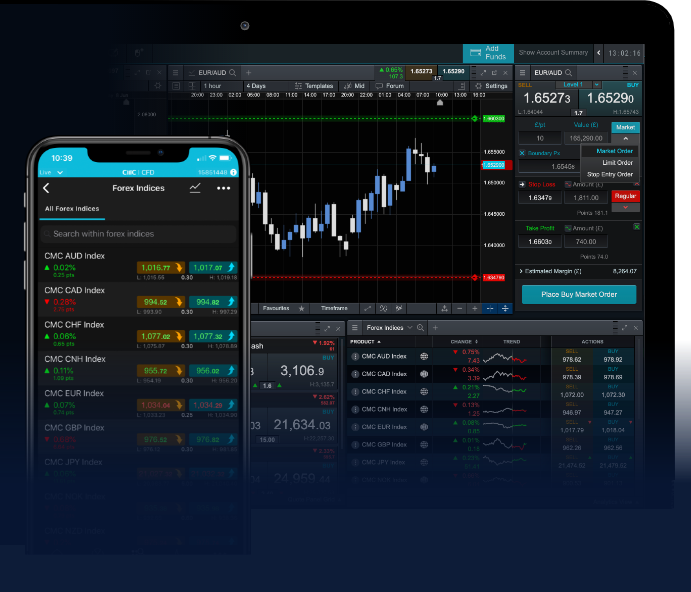
In recent years, Forex trading has gained immense popularity as a lucrative investment opportunity. However, as the Islamic financial community engages in this activity, questions arise around its permissibility under Islamic law. The terms “Halal” (permissible) and “Haram” (forbidden) are central to the discussion. In this article, we will delve into these principles and explore whether Forex trading can be classified as Halal or Haram. For more insights on trading strategies, you can visit forex trading halal or haram https://trading-terminal.com/.
Understanding Forex Trading
Forex trading, or foreign exchange trading, involves the buying and selling of currencies on a decentralized market. The Forex market is the largest financial market globally, with a daily trading volume exceeding $6 trillion. Traders aim to profit by speculating on the fluctuations in currency prices resulting from economic indicators, geopolitical events, and market sentiment.
Islamic Finance Principles
To determine whether Forex trading is Halal or Haram, it’s essential to understand the core principles of Islamic finance, which promotes ethical investing and prohibits practices that contribute to injustice or exploitation. Key concepts include:
- Riba (Usury): The prohibition of interest. Any financial transaction that involves earning or paying interest is considered Haram.
- Gharar (Uncertainty): Excessive uncertainty and ambiguity in contracts are not permitted in Islam. Transactions should be clear and well-defined.
- Halal Investments: Investments should be made in businesses or areas that are permissible under Islamic law, avoiding sectors like gambling, alcohol, and pork.
Forex Trading Practices
The legitimacy of Forex trading in Islam often hinges on how it is conducted. Below are common practices in Forex trading and their relevance to Islamic principles:
1. Leverage and Margin Trading
Many Forex traders use leverage to amplify their potential gains. However, leveraging can also lead to significant losses. From an Islamic perspective, using leverage can be problematic if it involves borrowing money and incurring interest, which would classify it as Riba and thus Haram.
2. Overnight Positions
If a trader holds a position overnight, they may incur swap charges, also known as rollover fees. These fees can be seen as interest, which is not permissible in Islam. Traders should seek accounts that offer swap-free options to avoid this issue.
3. Speculation vs. Actual Trading
Engaging in excessive speculation—trading with the sole intention of making a quick profit without actual ownership of the commodities or currencies—can lead to discussions about Gharar. Genuine trading, where the trader engages in the purchase and sale of physical currency, is generally viewed as more acceptable.
Halal Forex Trading Accounts
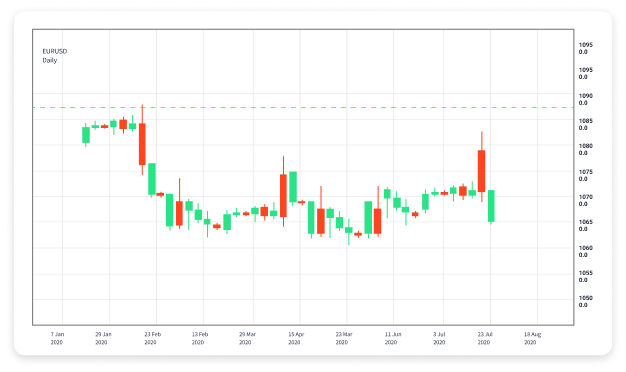
In response to the concerns of Muslim traders, many Forex brokers offer Islamic or swap-free accounts. These accounts are designed to comply with Islamic law by eliminating interest-based transactions. However, traders should conduct due diligence to ensure that these accounts adhere strictly to Halal principles and that the trading conditions do not introduce other forms of Gharar or unethical practices.
Scholarly Opinions
The debate over Forex trading’s permissibility brings varying opinions from scholars and Islamic finance experts. Some scholars advocate that Forex trading can be Halal when conducted ethically and without the elements of Riba and Gharar. Others remain cautious, emphasizing the speculative nature of Forex and its resemblance to gambling.
It is crucial for traders to consult knowledgeable scholars and seek guidance based on their unique trading practices and circumstances.
Conclusion
The question of whether Forex trading is Halal or Haram does not have a straightforward answer and depends on the specific practices employed by traders. By adhering to the principles of Islamic finance—avoiding interest, uncertainty, and unethical investments—traders can navigate the Forex market in a manner consistent with their values.
Ultimately, Muslim traders must engage in thorough research, account for their individual circumstances, and consult scholarly advice to make informed decisions in the Forex trading landscape.